
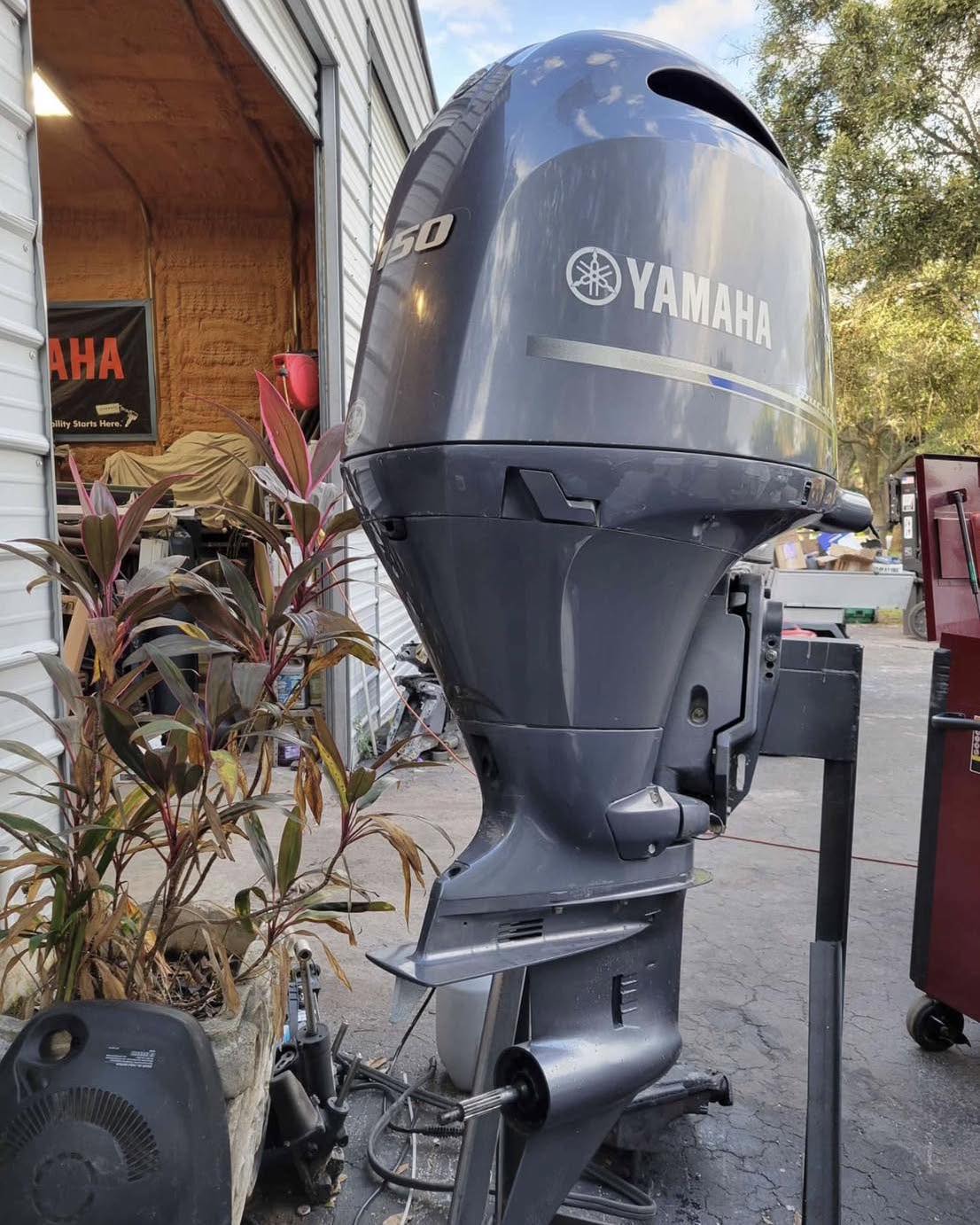
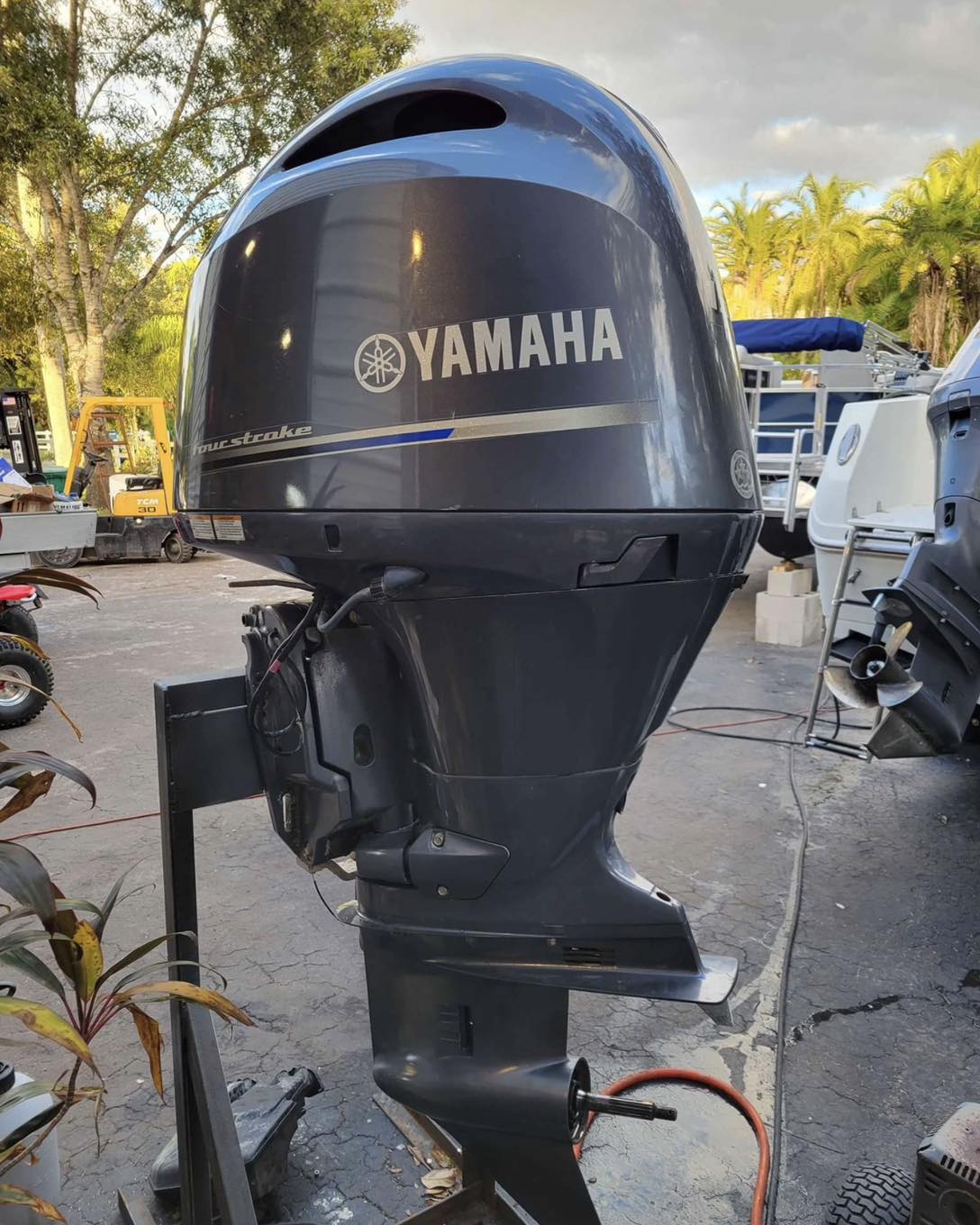
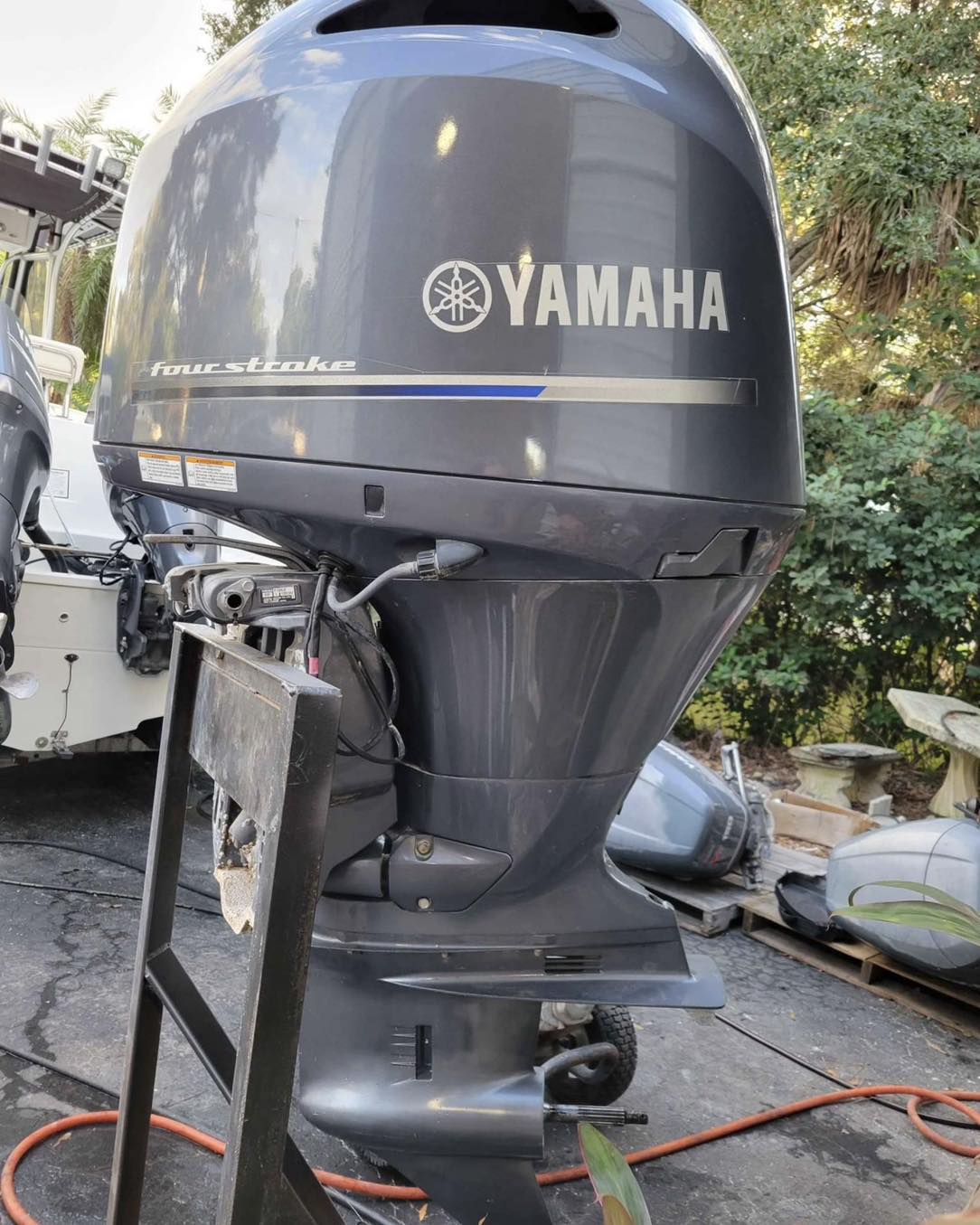

Yamaha F150 Fourstroke
The Yamaha F150 series has been a trusted companion for boaters seeking reliable and powerful outboard motors since its inception. The 2018 model continues this tradition, boasting advanced technology and a commitment to performance. With its sleek design and robust features, the F150 is perfect for those who need a versatile engine for recreational or commercial use – whether you’re leisurely cruising or hauling in your catch of the day, the F150 has got your back.
Specifications Overview
The Yamaha F150 features a compact 20-inch shaft and is powered by a 4-stroke, 2.8L inline 4-cylinder engine. It delivers an impressive maximum output of 150 horsepower while maintaining lightweight characteristics for easy handling. With a dry weight of around 478 pounds, this engine strikes a perfect balance between power and weight. Its state-of-the-art technology ensures smooth performance, making it a top choice for those who demand reliability on the water.
Key Features and Specifications
Engine Technology and Design
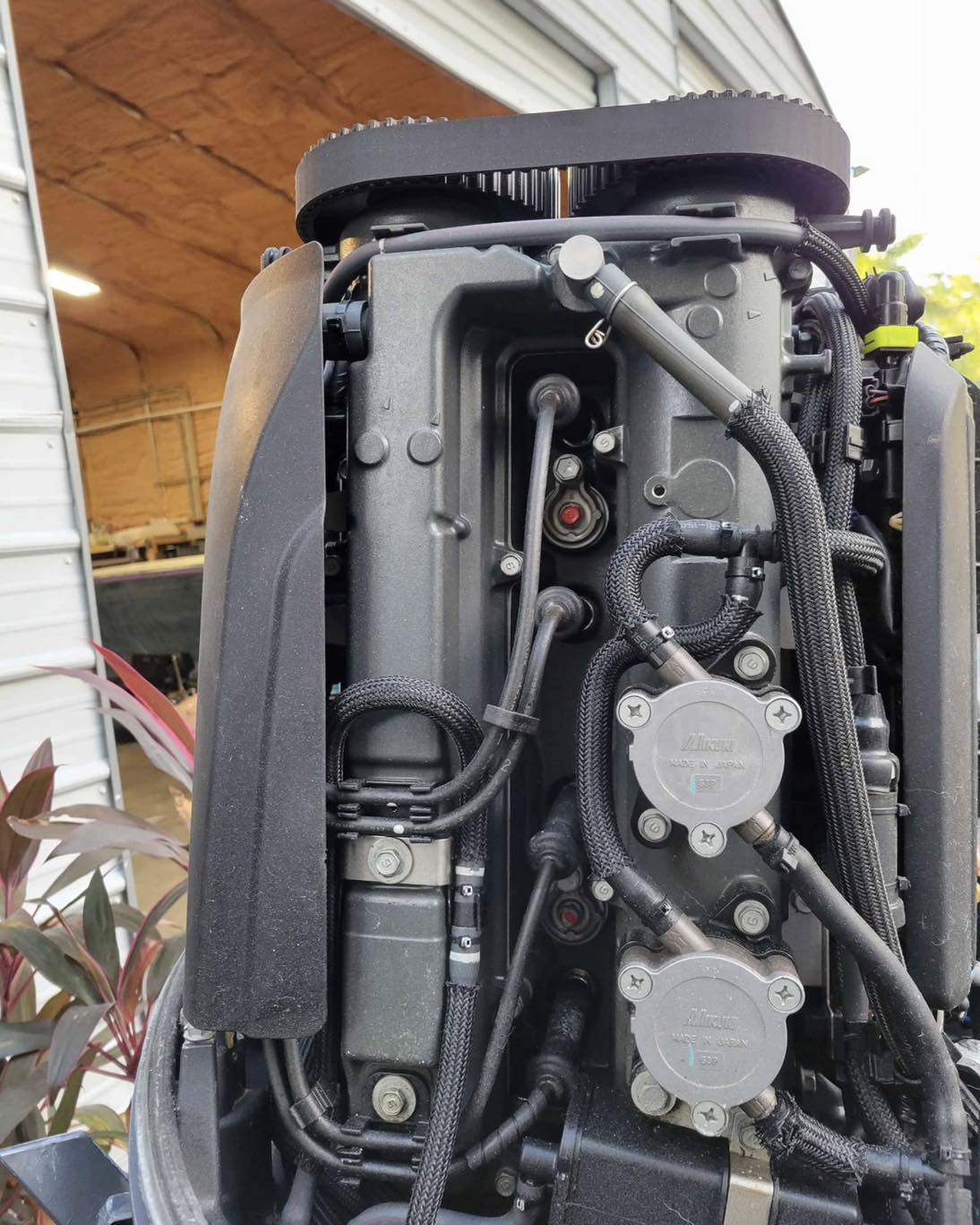
Yamaha’s innovative design features a multi-point EFI (Electronic Fuel Injection) system that optimizes fuel delivery, ensuring smooth acceleration and responsive handling. With a lightweight yet robust construction, the F150 incorporates a unique cowling design for improved aerodynamics and reduced drag. Plus, the engine features a built-in freshwater flush system – because no one likes a salt-crusted motor.
Power and Torque Ratings
The F150 delivers a peak power output of 150 hp at 5,500 RPM, coupled with a torque rating of around 147 lb-ft at 3,500 RPM. This power allows for impressive acceleration, particularly when laden, making it a favorite among fishermen and recreational boaters alike. Whether you’re skimming across the water or pulling a skier, the F150 provides the necessary muscle to get the job done.
Fuel Efficiency and Emissions
Efficiency is the name of the game with the Yamaha F150. The engine’s advanced design not only offers outstanding fuel efficiency, saving you money at the pump and ensuring longer days on the water but also meets strict emissions standards. With the F150, you can feel good about your choice, knowing you’re running a cleaner engine without sacrificing performance.
Performance and Efficiency Analysis
Acceleration and Speed Metrics
The Yamaha F150 is known for its zippy acceleration and top-end speed. On many boats, you’ll see top speeds ranging from 35 to 45 mph, depending on the load and hull design. The engine’s responsiveness means you can quickly reach cruising speeds, perfect for when you’re chasing that big fish or just trying to outrun the unexpected rain clouds.
Handling and Maneuverability
Equipped with a lightweight design and hydraulic steering options, the F150 boasts exceptional handling and maneuverability. Whether you’re navigating tight spots or executing sharp turns, the motor’s performance will keep you in control, making every journey feel smooth and effortless. You’ll wonder how you ever got by without it.
Noise and Vibration Levels
One of the standout features of the Yamaha F150 is its remarkably quiet operation. Thanks to its advanced engineering, the engine minimizes noise and vibration, allowing for peaceful cruising. You can enjoy the sounds of nature or have a conversation without having to shout over the engine – bonus points for keeping the fish calm!
Complete Controls and Rigging Components
Included Control Systems
When you purchase the F150, you’re not just getting an engine; you’re also getting complete control systems included in your package. This means you can expect high-quality controls that offer precision and ease of use, ensuring that shifting and throttle control is as smooth as butter. Forget about fiddling with loose cables – Yamaha has you covered.
Rigging Options and Accessories
The rigging options that accompany the F150 are designed for user-friendly installation and compatibility with a wide range of boats. From harnesses to gauges, you’ll find everything you need to properly rig your engine for optimal performance. Plus, with Yamaha’s reputation for quality accessories, you can trust that every component will work harmoniously with your F150.
Installation and Setup Process
Setting up your Yamaha F150 is a breeze, thanks to the detailed instruction manual and the straightforward design of its components. Whether you’re a DIY enthusiast or prefer to leave it to the pros, the process is manageable and efficient. Get ready to hit the water quickly so you can spend more time enjoying the waves and less time troubleshooting.
Maintenance and Service History
Regular Maintenance Requirements
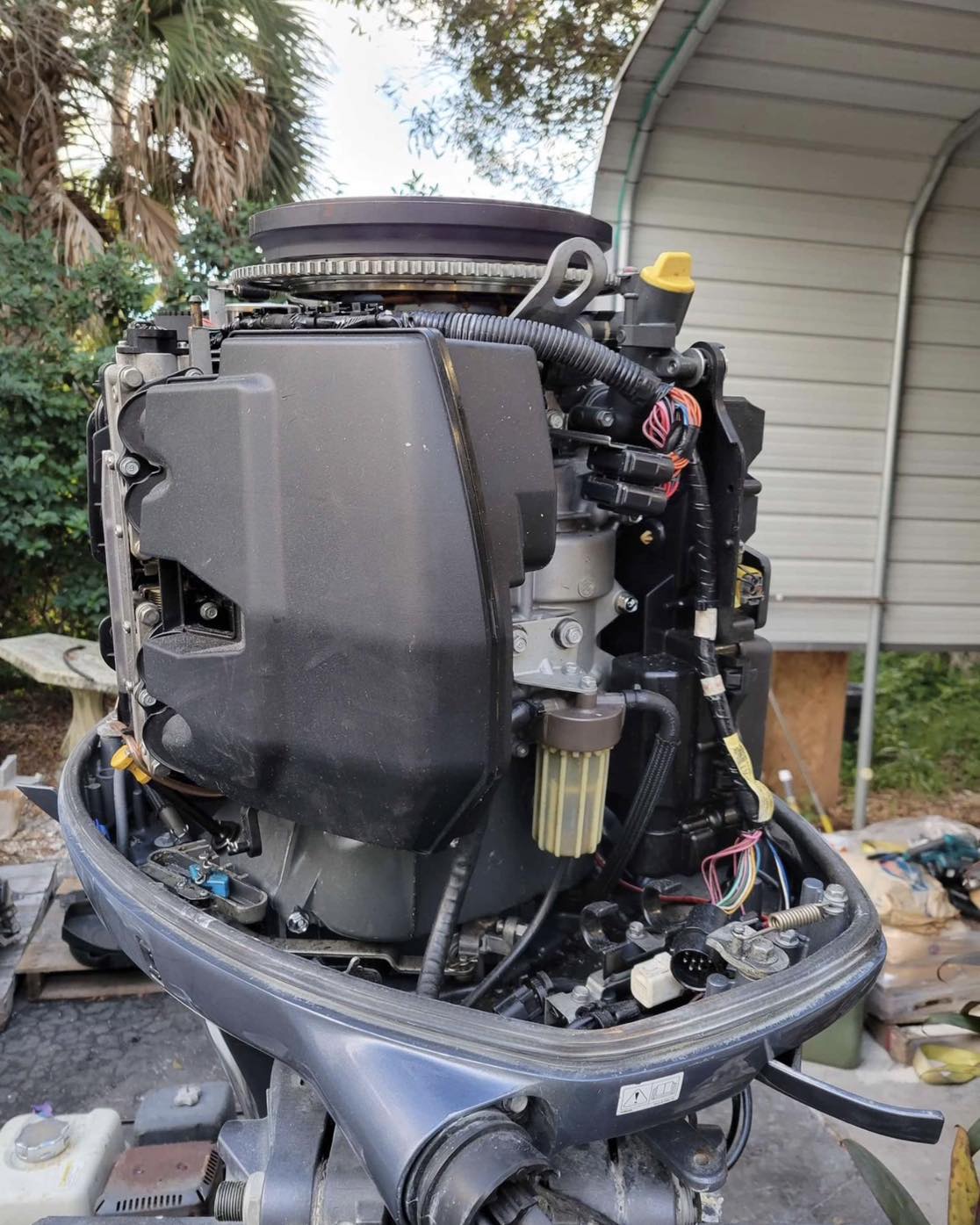
To keep your Yamaha F150 Four-Stroke purring like a content cat, regular maintenance is key. Make sure to check the oil and replace it every 100 hours or annually, whichever comes first. Don’t forget to inspect the fuel filter and replace it as needed. Keeping the cooling system clean (we’re looking at you, water pump) is vital to prevent overheating. And of course, a good scrub-down of the exterior doesn’t hurt—let’s keep that shine!
Common Issues and Solutions
Every motor has its quirks, and the Yamaha F150 is no exception. A common issue reported is difficulty starting, often due to a weak battery or corroded connections. Pro tip: Always keep a jump starter handy, just in case you’re in the middle of the lake and feeling heroic. Overheating can happen if the water intake is clogged; regular checks can save you from a chilly swim. Lastly, watch out for poor fuel quality—nobody likes a grumpy motor!
Service Provider Recommendations
For reliable service, seek out certified Yamaha dealerships or authorized service centers. These folks know your engine like it’s their own child, and they have the right tools and training. Online reviews can help you find a reputable local mechanic, or ask fellow boaters for their go-to pros. Remember, good service is priceless—don’t skimp on your baby!
Comparison with Other Outboard Motors
Yamaha F150 vs. Competitor Models
The Yamaha F150 has some stiff competition in the 150hp outboard league, mainly from the likes of Suzuki and Mercury. While Suzuki’s DF150 boasts an impressive weight-to-power ratio, many boaters favor the Yamaha for its fuel efficiency and reliability. Mercury offers similar specs, but with a reputation for aggressive styling. Ultimately, it boils down to personal preference; both have their fans and fierce rivalries, like cats and dogs.
Features Comparison Table
| Feature | Yamaha F150 | Suzuki DF150 | Mercury 150 |
|————————–|———————-|———————|———————-|
| Weight | 470 lbs | 449 lbs | 480 lbs |
| Fuel Efficiency | Excellent | Good | Excellent |
| Noise Levels | Quiet | Moderate | Quiet |
| Maintenance | Low | Moderate | Low |
| Warranty | 3 Years | 3 Years | 5 Years |
Value for Money Assessment
When it comes to bang for your buck, the Yamaha F150 is a solid investment in the outboard world. It balances performance, durability, and price gracefully, like a ballerina on a boat. While you might find cheaper options, the long-term reliability and lower fuel consumption make this a wallet-friendly choice overall. It’s like choosing a trusty old pickup truck over a flashy sports car—sometimes, it’s the dependable ride that gets you places.
Customer Reviews and Testimonials
Owner Experiences
Owners of the Yamaha F150 rave about its performance, especially in rough water. Many report smooth handling and quick acceleration, making it a favorite for fishing and weekend joyrides. Users appreciate the easy start-up and reliable behavior, even after a long season of hibernation. It’s like having a best friend who’s always there when you need them—reliable and ready for adventure.
Pros and Cons from Users
**Pros:**
– Dependable performance
– Fuel-efficient
– Low maintenance cost
– Quiet operation
**Cons:**
– Slightly heavier than some competitors
– Initial purchase price can be higher
– Some users report occasional starting issues in colder temperatures
Expert Opinions and Reviews
Experts and reviewers generally heap praise on the Yamaha F150 for its balance of power and efficiency. Marine enthusiasts highlight its consistent performance and lower emissions compared to older models. It scores high on reliability, making it a staple recommendation for boaters of all skill levels. Just remember, when the experts nod in agreement, it’s usually for good reason!
Pricing and Availability
Current Market Prices
As of now, the Yamaha F150 typically hovers around the $12,000 to $15,000 range, depending on whether you’re snagging a new or gently used model. Prices can fluctuate based on market demand, so it’s wise to shop around a bit. Don’t forget to compare pricing with controls and rigging included—you want to get the full package for your hard-earned cash!
Warranty and Support Options
The Yamaha F150 usually comes with a solid 3-year warranty, covering parts and repairs for peace of mind. For extended coverage, inquire about Yamaha’s extended warranty options—because who doesn’t love a safety net? Plus, Yamaha’s customer support is known for being top-notch, so you’ll have friendly folks at the end of the line when you need answers or advice.In conclusion, the Yamaha F150 Fourstroke 2018 model stands out as a reliable and efficient outboard motor, ideal for various boating needs. With its impressive features, solid performance, and included controls and rigging, it offers significant value for both new and experienced boaters. Whether you are looking for a dependable engine for leisure activities or a robust option for professional use, the F150 is a worthy investment that promises to enhance your time on the water.
Frequently Asked Questions (FAQ)
What type of fuel does the Yamaha F150 require?
The Yamaha F150 Fourstroke operates on regular unleaded gasoline, typically with an octane rating of 87 or higher.
How often should I perform maintenance on the Yamaha F150?
Regular maintenance is recommended every 100 hours of operation or at least once a year, whichever comes first. This includes oil changes, filter replacements, and general inspections.
What is the weight of the Yamaha F150 engine?
The Yamaha F150 Fourstroke engine has a dry weight of approximately 454 pounds (206 kg), depending on the specific configuration and accessories.
Can the Yamaha F150 be used for saltwater applications?
Yes, the Yamaha F150 Fourstroke is designed for both freshwater and saltwater use. However, proper maintenance and regular flushing after saltwater use are crucial to prevent corrosion and ensure optimal performance.
Reviews
There are no reviews yet.